- Home
- Meet Ryan
What Nearly 20 Years In Healthcare Taught Me
Meet Ryan
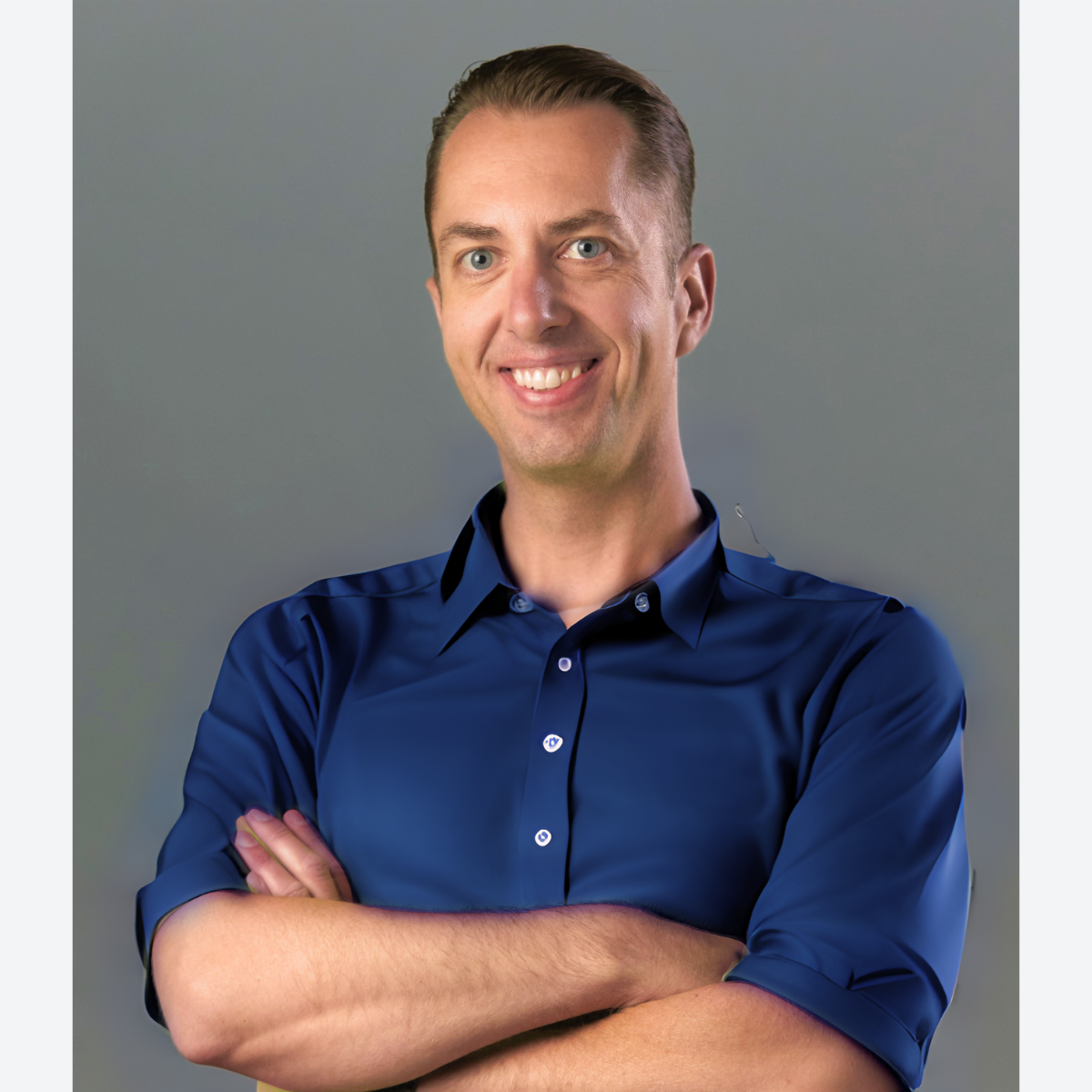
I spent fourteen years working in healthcare communication, health education, coaching, and behavior change before I started writing ads, landing pages, emails, and sales funnels more than six years ago.
Most people already knew what they were supposed to do.
Exercise more.
Eat better.
Take their medication.
Many genuinely wanted a different outcome.
And yet some changed immediately.
Others took months.
Some never changed at all.
What fascinated me was how often the outcome came down to
what people expected would happen if they tried.
Every Offer Competes with What Came Before
When I started writing professionally, I expected buyers to behave differently.
They didn't.
Buyers judged new offers against past experience.
A supplement is measured against the last supplement that didn't work.
A health program competes with programs someone never finished.
Hormone therapy is weighed against years of frustration, disappointment, and unanswered questions.
The products changed.
The pattern didn't.
People rarely arrive at a page, ad, or email ready to believe the message.
Previous experiences are shaping how they see the offer.
Different categories.
Different buyers.
The same challenge: earning trust from buyers who have every reason to be skeptical.
Whether the friction comes from buyer skepticism or the
realities of a busy marketing team, my goal is the same: remove what's getting
in the way of progress.
Modern Workflow with AI
Today's health copy isn't written the same way it was five years ago.
I use AI to accelerate research, organize scientific information, explore messaging angles, and produce working drafts.
The thinking remains mine: positioning, buyer psychology, persuasion, compliance awareness, and every final editorial decision.
AI helps me move faster.
Human judgment determines what reaches the page.
Hiring A Copywriter Should Make Your Job Easier
After a while, most hiring processes start to look the same.
The portfolios are polished.
The case studies look impressive.
Everyone says they can write conversion copy.
Eventually, the question changes.
It's no longer:
"Can this person write?"
It becomes:
"How much time will I spend managing this person?"
Fair question.
I've spent enough time inside health brands, regulated environments, and performance marketing teams to know how quickly a simple project can turn into weeks of revisions, competing opinions, and missed deadlines.
My goal is to remove friction, not create more of it.
Clear thinking.
Productive revisions.
Less time spent untangling feedback.
More campaigns making it out the door.
If you're looking for a health copywriter who understands skeptical buyers, regulated markets, performance marketing, and how to keep projects moving forward, I'd welcome the opportunity to speak with you.